RYA Yachtmaster Coastal
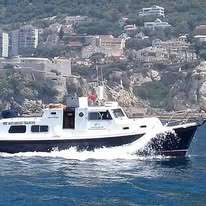
The duration of the preparation is 4 days, followed by a 1 to 2-day exam depending on the number of candidates. The 4-day will allow candidates to tweak their knowledge and ability and fill in any gaps or improve any weaknesses.
RYA Yachtmaster Coastal
This course is run over three weeks. The first two weeks are dedicated to building sea miles and gaining valuable practical experience, followed by a final week focused on exam preparation before taking your Yachtmaster examination.
While not essential, having completed your Yachtmaster Theory course before arriving can be a real advantage, allowing you to make the most of your time on the water and focus on developing your practical skills. If you haven’t completed the theory yet, don’t worry – we can help you with this and incorporate it into your training plan.
During the course, you will cover approximately 800 nautical miles. To qualify for the Yachtmaster Offshore examination, you should have completed at least 30 days at sea on vessels under 24 metres in length, including a minimum of 2 days as skipper and 8 hours of night navigation.
You will start and finish in Gibraltar:
What’s Included
- Accommodation is onboard one of our motor boats for the duration of the course. Bedding and towels are also supplied.
- Course Material
- Breakfast, Lunch, snacks, and drinks (evening meals are not included).
- Exam Fee
RYA Yachtmaster Coastal Syllabus
Passage planning
- Can plan a coastal passage including a consideration of the capability of the vessel, navigation, victualing, weather, ports of refuge, tidal heights and tidal streams
- Knowledge of publications required and strategy
- Has knowledge of local Customs Procedures
Preparation for Sea
- Is aware of safety equipment required for offshore passages
- Can prepare a cruising vessel for sea including stowage, safety briefing, watch keeping, delegating responsibilities and equipment and engine checks
Pilotage
- Can prepare a pilotage plan, with consideration of soundings, transits, clearing bearings, buoyage, port or harbour regulations and tidal considerations
- Can pilot a cruising vessel by day and night
Passage Planning
- Can take charge of a cruising vessel and direct the crew
- Can organise the navigation, deckwork and domestic duties of a cruising vessel on passage
- Is aware of the significance of meteorological trends
- Is aware of crew welfare on passage
- Can use electronic navigational equipment for planning and undertaking a passage, including the use of waypoints and routes
Boat Handling
- How to identify and take into account wind and current conditions when planning and executing manoeuvres
- Can control the cruising vessel effectively in a confined space, including all berthing and un-berthing situations
- Pick up a mooring buoy
- Avoid excessive use of power
- Additional for twin engine vessels: berth and un-berth in simple situations using one engine, including the correct use of springs
Adverse Weather Conditions
- How to handle a vessel in strong winds
- General conduct in restricted visibility
- Prepare a cruising vessel for heavy weather
- Navigate in restricted visibility
Emergency Situations
- The actions to be taken when abandoning to a liferaft, and during helicopter and lifeboat rescues
- How to carry out the aftercare requirements on a casualty who has been in the water
- Describe to a crew member the effects of cold-water shock on a casualty who has been in the water
- Recover a man overboard under power