Radar
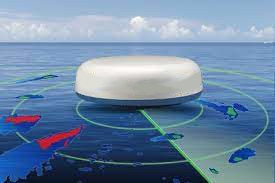
This is a one-day classroom training course conducted at our site in Gibraltar and is aimed at anyone who goes afloat. It provides training in the techniques and advanced use of radar for position finding and navigation.
RYA Radar Course
This course is essential for anyone looking to take the RYA Yachtmaster coastal or Yachtmaster Offshore certificate of Competence, as the RYA has made radar knowledge a key component of all Yachtmaster exams.
Radar is an invaluable aid for navigation and collision avoidance but it is only useful in the hands of a knowledgeable operator.
Previous Experience Required
- No age restriction
- No previous experience or assumed knowledge required
Course Syllabus
1. Switching on and setting up
- The main components of a radar set
- How a radar set measures distance
- How a radar set measures bearings
- The limitations imposed by the power, antenna size and display size of a typical small craft radar
- Switch on a typical small craft radar set; adjust its brilliance, contrast, gain, range and tuning
2. Understanding the picture
- How antenna size and frequency affect beam width
- How pulse length and PRF are varied with range
- The factors that determine the strength of echo returned by a target
- The effect of beam width on discrimination
- The effect of pulse length on discrimination
- The effect of blind arcs, shadows sectors and radar horizon
3. Refining the picture
- The cause and cure for sea clutter
- The cause and cure for rain clutter
- The cause and cure for interference
- The purpose of echo stretch
- The dangers associated with clutter clearance tools
- The difference between Head Up, Course Up and North Up modes
- Adjust the sea clutter and rain clutter controls to suit prevailing conditions
- Identify whether a radar is in Head Up or North Up mode
4. Radar reflectors
- How radar cross section is measured
- Types of passive reflector in common use (octahedral, stacked array, lens)
- Types of active reflector in common use (RTE, Racon, SART)
- The limitations of passive radar reflectors
5. Understands Collision Avoidance
- The principles of relative motion
- The existence of automatic radar plotting aids
- The implications of IRPCS Rule Numbers 5, 6, 7 and 19 (look out, safe speed, risk of collision, restricted visibility
- The practical limitations of small craft radar
- Assessing the risk of collision with another vessel
- Assessing the closest point of approach of another vessel, and determining whether it will pass ahead or astern
- Assessing the course and speed of another vessel
6. Fixing position by radar
- The principles of a three point fix
- Selecting landmarks for a three point fix
- How to take and plot a position fix using the EBL
- Limitations of the EBL for position fixing
- Plotting the vessel’s position on a chart by using the VRM
7. Pilotage by radar
- ‘Eyeball’ pilotage by radar
- The limitations of ‘eyeball’ pilotage
- The principle of parallel indexing
- Preparing and executing a simple pilotage plan using clearing ranges
Upon successful completion of this course, you will be issued with an RYA Accredited Certificate which can be used in your pursuit of larger qualifications.
See the RYA roadmap here.